Radon Removal Services for Property Owners
Visitors will learn about radon removal services and how local contractors can help address radon issues in homes and buildings.
- - Radon removal services for residential homes seeking to reduce indoor radon levels.
- - Local contractors specializing in radon mitigation for new construction or existing properties.
- - Service providers equipped to handle radon testing and remediation in commercial or multi-unit buildings.
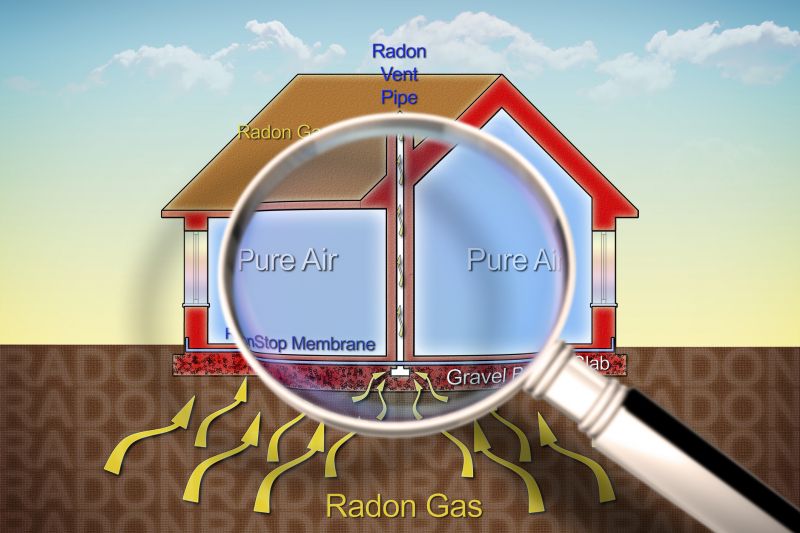
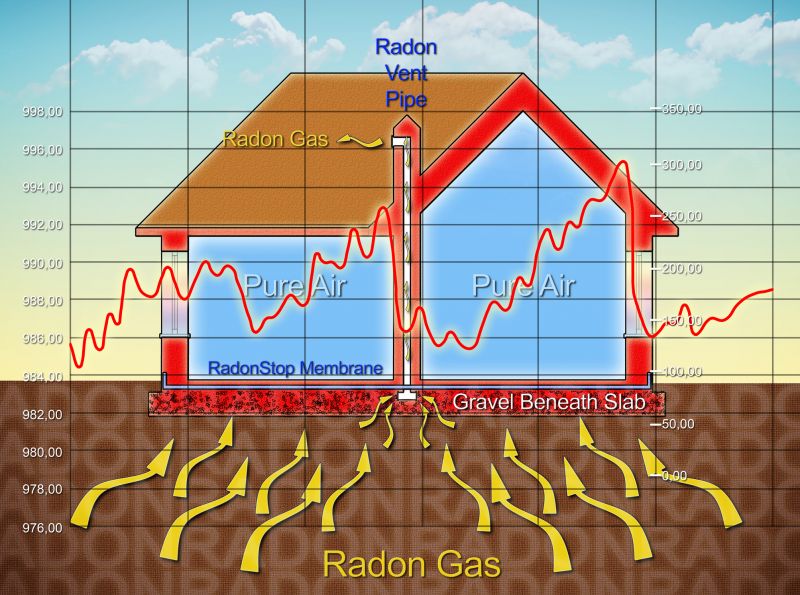
Radon removal services involve specialized techniques to reduce radon gas levels inside residential and commercial properties. Property owners often seek assistance when radon testing indicates elevated levels, which can pose health concerns. Local contractors who specialize in radon mitigation typically assess the property, identify entry points for radon infiltration, and install systems designed to vent radon safely outside. These professionals handle the installation and setup of mitigation systems, providing a practical solution for those looking to improve indoor air quality and ensure a healthier living or working environment.
Connecting with experienced local service providers can help property owners find the right radon removal solutions tailored to their specific needs. These contractors usually have the knowledge to evaluate different property types and recommend appropriate mitigation methods. When seeking radon removal, individuals can expect to work with local pros who handle the installation process efficiently and professionally. Comparing options among nearby providers enables property owners to select a service that best fits their requirements and ensures the job is completed properly.
This guide provides helpful information to understand the basics of radon removal and what to consider when choosing a service provider. It assists in comparing local contractors and understanding the typical steps involved in radon mitigation. By exploring this resource, visitors can better prepare to connect with qualified local service providers for their needs.